
Transporting a Dinosaur Fossil to China: Legal Requirements for International Fossil Transport
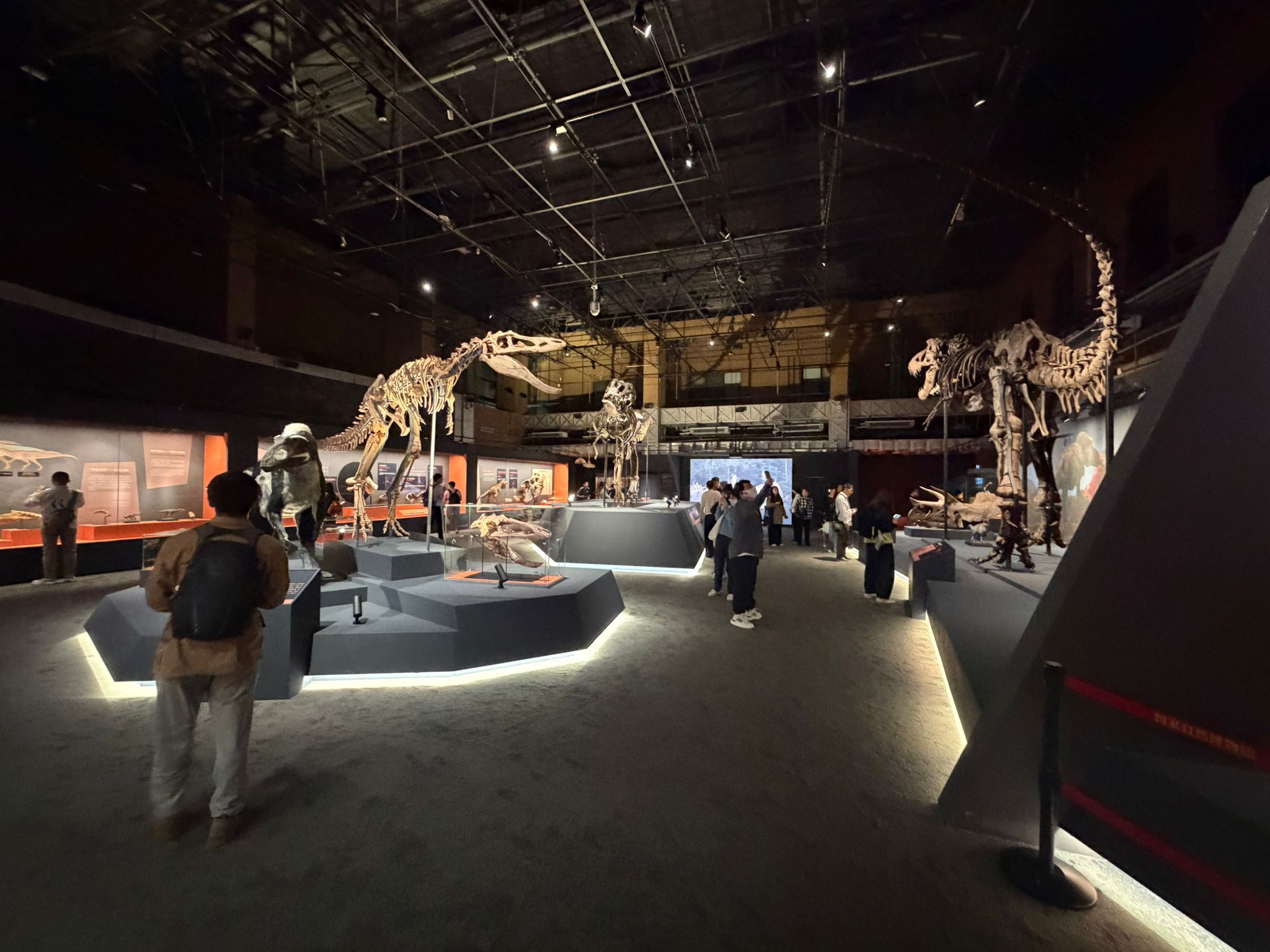
For 67 million years, they rested in the ground. Now they are on display in Beijing. The international transport of two T. rex fossils for a museum exhibition in China brought together export control law, international contract law, cultural property protection, customs regulations, insurance questions, and diplomatic coordination – illustrating just how many legal disciplines are required when transporting fossils abroad.
More Info
Contact Person

The Exhibits
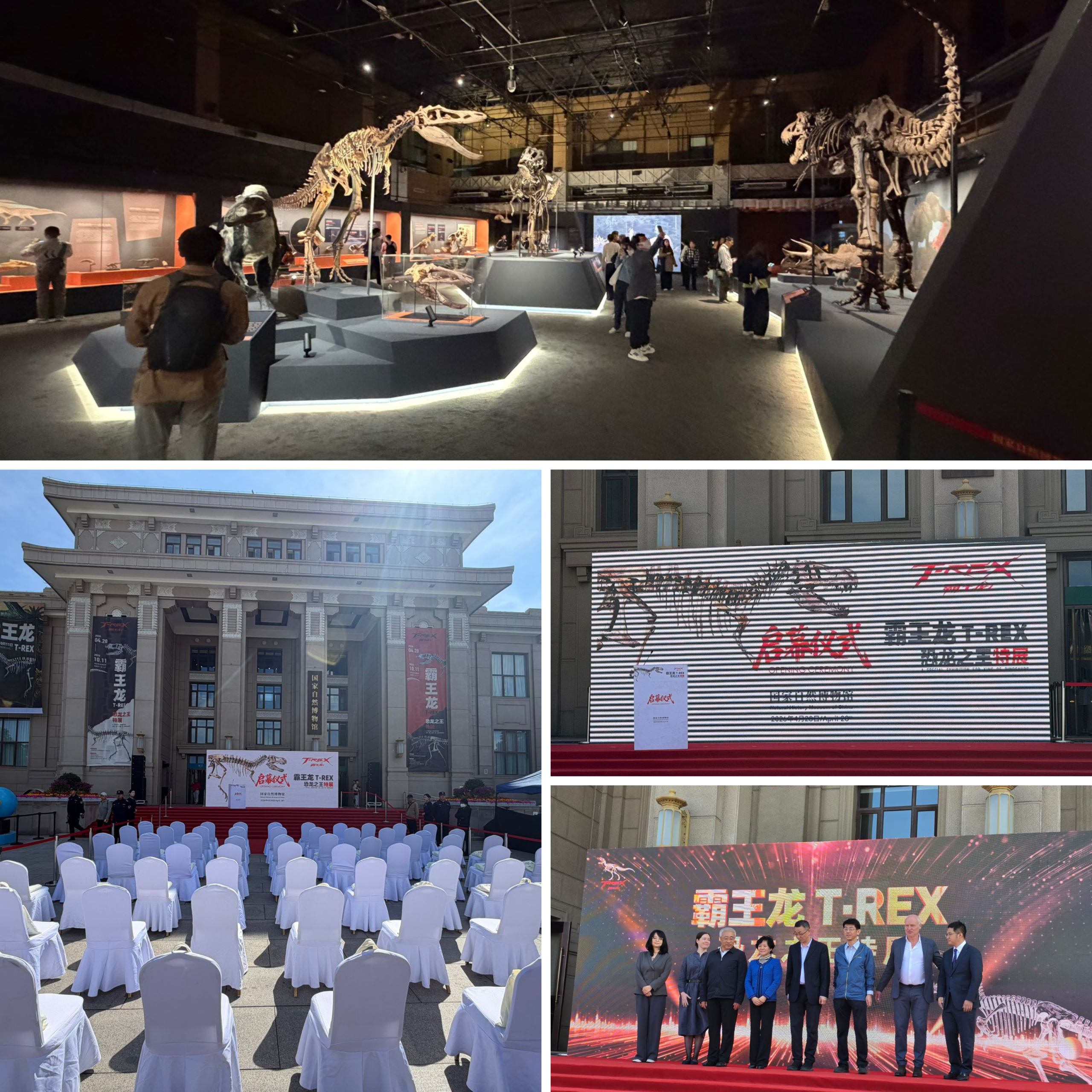
Rocky: The only known juvenile T. rex skeleton in the world – a unique scientific record of Earth’s prehistoric past.
Regina: Rocky’s mother – a fully grown Tyrannosaurus rex and a magnificent specimen of its kind.
When we received the mandate to accompany these two fossils to an exhibition in China, the scope of the legal work became clear immediately: this would not be a linear project where one step follows the next. Instead, multiple workstreams had to be managed in parallel, coordinated with each other, and constantly recalibrated. What made this project so distinctive – and instructive – were the specific challenges that come with transporting irreplaceable paleontological objects across borders.
“A fossil is not a suitcase. It needs a passport made of legal provisions – and patience for two legal systems at once.”
Richard Hoffmann
Local Partner in China: A Prerequisite for Successful Fossil Transport
Without a trustworthy institutional partner in China, a project of this kind is simply not feasible. The partner must not only take responsibility for the exhibition on-site, but also serve as the primary point of contact with Chinese authorities – from customs clearance to official permits. Finding the right partner requires care: institutional credibility, experience with international loans, and a willingness to engage in close legal collaboration are all essential.
Contracts for International Fossil Transport: Aligning German and Chinese Law
A project of this kind does not require a single contract, but rather a web of interrelated agreements. All contracts must be substantively aligned with each other – while simultaneously satisfying the requirements of both German and Chinese law. That is more demanding than it sounds.
Exporting Fossils from Germany: Cultural Property Protection Act and Permit Requirements
Paleontological objects of scientific or cultural significance are subject to strict export restrictions under German law, most notably the Kulturgutschutzgesetz (Cultural Property Protection Act). Preparing an export application requires thorough documentation of the objects, their provenance, and intended use. Cutting corners here risks delays – or, in the worst case, outright refusal of the permit.
Importing Fossils into China: Temporary Admission, Customs Declaration, and Re-Export
China provides for the temporary admission of exhibition goods, granting duty-free entry on the condition of subsequent re-export. Correct and complete customs documentation is critical: errors in paperwork can lead to seizure, delays, or in the worst case serious legal complications. Close coordination with the local partner when preparing customs documents is indispensable – they know the local practices and what the authorities expect.
Transporting Fossils Abroad: Specialized Logistics and Transport Documentation
Rocky and Regina are fragile, irreplaceable, and extremely heavy. Their safe transportation requires specialist companies with experience in paleontological transport: climate-controlled packaging, vibration-minimizing logistics, and complete transport documentation. Choosing the right carrier is not a secondary consideration – it is a central pillar of the entire project, not least because transport documentation feeds directly into the customs filing.
Insuring Fossils: Bespoke Coverage for Irreplaceable Cultural Objects
For objects with no conventional market value – and a juvenile T. rex skeleton that is unique in the world has none – individual valuation and a bespoke insurance policy are essential, with clear provisions on compensation, assessment rights, and repatriation costs. Particular attention was paid to potential coverage gaps that arise when different national legal systems intersect.
Involving the Consulate General: Diplomatic Support for Cultural Property Transport to China
Involving the German Consulate General in China at an early stage proved to be one of the smartest decisions in the project. Diplomatic accompaniment signals official standing to the Chinese authorities and builds trust at a level that purely legal arguments cannot reach. Sometimes a letter from the consulate opens doors that would otherwise remain closed.
This mandate showed one thing above all: the more unusual the project, the more important it is to have a law firm that thinks not only in legal provisions – but also in networks, cultures, and contexts.
Rocky and Regina waited 67 million years. That their journey to Beijing went smoothly was no accident – it was the result of careful legal work on both sides of the world. Anyone seeking to transport a dinosaur fossil or other paleontological cultural object to China or abroad faces a complex combination of cultural property law, customs law, contract law, and insurance questions. Early legal advice is not optional – it is a prerequisite.