
Croatia’s forward momentum: a rising leader in tourism, green energy and digital transformation
Tourism as a Cornerstone of Croatia's Economy
Croatia is one of Europe’s most popular tourist destinations, attracting millions of visitors every year. In recent years, the country has experienced consistent growth in tourism, with over 20 million tourists arriving and more than 100 million overnight stays each year. Every year sets a new record for both arrivals and overnight stays.
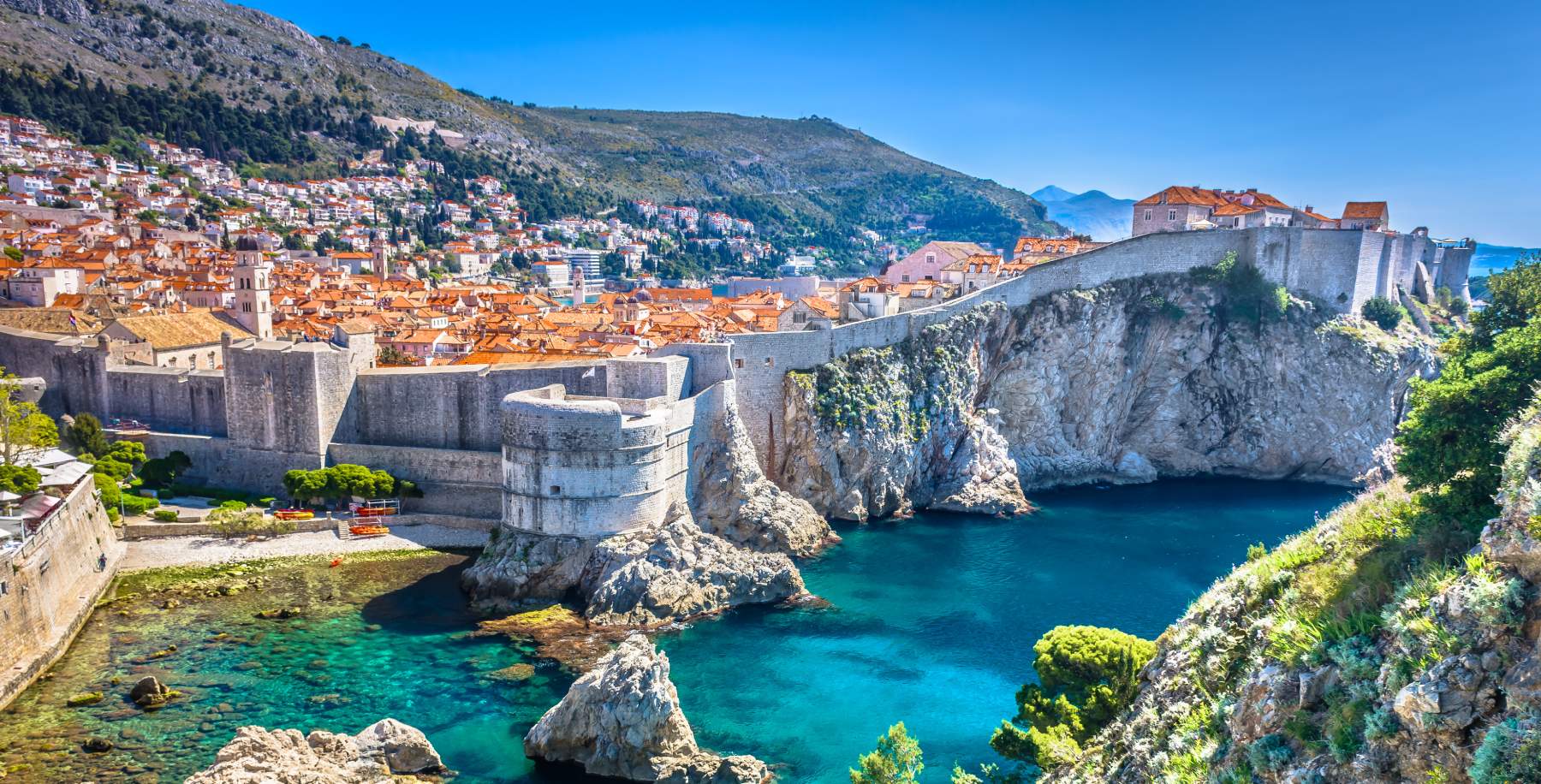
The majority of tourists are drawn to the stunning Adriatic coast, which is renowned for its clear sea, beautiful beaches and more than 1,000 islands. Popular cities include Dubrovnik, Split, Zadar and Rovinj, which offer a blend of historic charm, cultural heritage and interesting summer events. Dubrovnik, in particular, is world-famous for its medieval walls and has gained even more popularity thanks to its appearances in international films and TV shows. In 2023, the majority of tourists came from Germany, with the highest number of arrivals and overnight stays recorded in Istria (4.8 million and 28.1 million respectively), particularly in Rovinj.
Croatia is also visited for its natural beauty, including national parks such as Plitvice Lakes and Krka, which feature waterfalls, forests, and scenic hiking trails. The warm Mediterranean climate and rich local cuisine further enhance the travel experience.
While coastal tourism dominates, the continental part of Croatia is also gradually developing its tourism sector. Regions such as Slavonia and the capital city, Zagreb, offer cultural festivals, wine routes and picturesque landscapes, attracting more visitors each year.
Overall, Croatia’s combination of natural beauty, historical sites and growing infrastructure makes it a diverse and attractive destination for travelers from all over the world.
The popularity of tourism in Croatia creates interesting business opportunities, particularly in the hospitality industry and real estate development, attracting significant foreign investment.
Contact Person


Green Energy Investment Gains Momentum
The Croatian government plans to allocate approximately €652 million in grants to support green transition projects in 2025. These funds will support renewable energy production, the decarbonisation of district heating systems, improvements in energy efficiency, and waste management initiatives.
Notable projects include the construction of the ‘Korlat’ solar power plant by Hrvatska Elektroprivreda (HEP), Croatia’s national energy company. With an installed capacity of up to 99 MW, this plant is financed with support from the European Bank for Reconstruction and Development (EBRD).
The government has also approved €30 million in grants for businesses to invest in renewable energy production and energy efficiency measures. The grants are intended to encourage the adoption of photovoltaic plants and biomass power facilities in the processing industry. The total value of these projects is almost €90 million.
An increasing number of private investors are investing in green energy projects, and it could be said that Croatia is following the same trends as the rest of Europe.
Digital Transformation Drives Innovation
Croatia’s digital transformation is guided by the ‘Digital Croatia Strategy 2032’, which aims to increase the ICT sector’s contribution to the national GDP from 4.5% to 13% by 2032. The strategy focuses on digitizing public administration, improving digital connectivity and developing digital skills among the population. In support of these objectives, the World Bank has approved $116.4 million in financing for the ‘Digital Innovation and Green Technology Project’. The project aims to promote research and innovation with a digital and green focus by improving the institutional infrastructure and research performance of organizations and firms.
The government has already established the e-Citizen service, a portal providing access to a wide range of public services, including health, education, taxation and social services. The digitalization of the justice system is also highly advanced, with submissions being filed electronically.
In 2021, the government adopted the National Plan for Broadband Development, which aims to provide all households, especially those in underserved rural and mountainous regions, with high-speed internet.
In conclusion, Croatia is a top European tourist destination, renowned for its natural beauty and cultural heritage, and is also making significant progress in green energy and digital transformation. Through strategic investments, government support and international cooperation, it is working to modernize its infrastructure while balancing economic growth with environmental responsibility and technological progress.
Economic Outlook and Investment Climate: Confidence Builds Around Croatia’s Growth
Croatia’s macroeconomic fundamentals continue to strengthen, which is reinforcing investor confidence in key sectors such as tourism, renewable energy, and digital innovation.
In 2024, the country’s gross domestic product (GDP) grew by 3.9 per cent, and further growth is projected at 3.2 per cent in 2025 and 2.9 per cent in 2026. This positive trajectory is largely due to robust private consumption and the effective use of European Union recovery and cohesion funds.
Foreign direct investment (FDI) has also rebounded significantly since the pandemic. In 2023, Croatia attracted over €3.5 billion in foreign capital, and strong inflows have continued into the first quarter of 2025.
Since 1993, the country has accumulated over €46 billion in FDI, targeting strategic sectors such as banking, manufacturing, real estate, and transport infrastructure. In the first quarter of 2024 alone, nearly €1 billion in new investments were made, putting Croatia on track to match its peak performance of around €4 billion annually, last seen in 2021.
While tourism, telecommunications, healthcare and life sciences have historically attracted the majority of foreign investment, recent years have seen a surge in capital directed towards information technology and clean energy projects. This shift reflects the growing appeal of Croatia’s green transition strategy and the availability of EU-backed incentives.
According to OECD data, although foreign-owned companies represent just 5 percent of all firms operating in Croatia, they contribute approximately 45 percent of exports and nearly 60 percent of private sector research and development expenditure. These firms also demonstrate higher rates of female employment than their domestic counterparts, highlighting their role in driving innovation and inclusive growth.
Summary
With its tourism sector heavily contributing to GDP and employment, substantial EU and multilateral funding driving green and digital investments, and a favorable investment environment underpinned by EU integration and economic reform, Croatia is rapidly positioning itself as a leader in sustainable tourism, clean energy and digital innovation.